Welcome to this week’s live stream! We have a packed agenda today, starting with some exciting changes coming to the channel. We’ll be walking through the new channel layout and how we are organizing the home automation, EV, and networking content to make it easier for you to find what you need. Read more about the channel reorganization here.
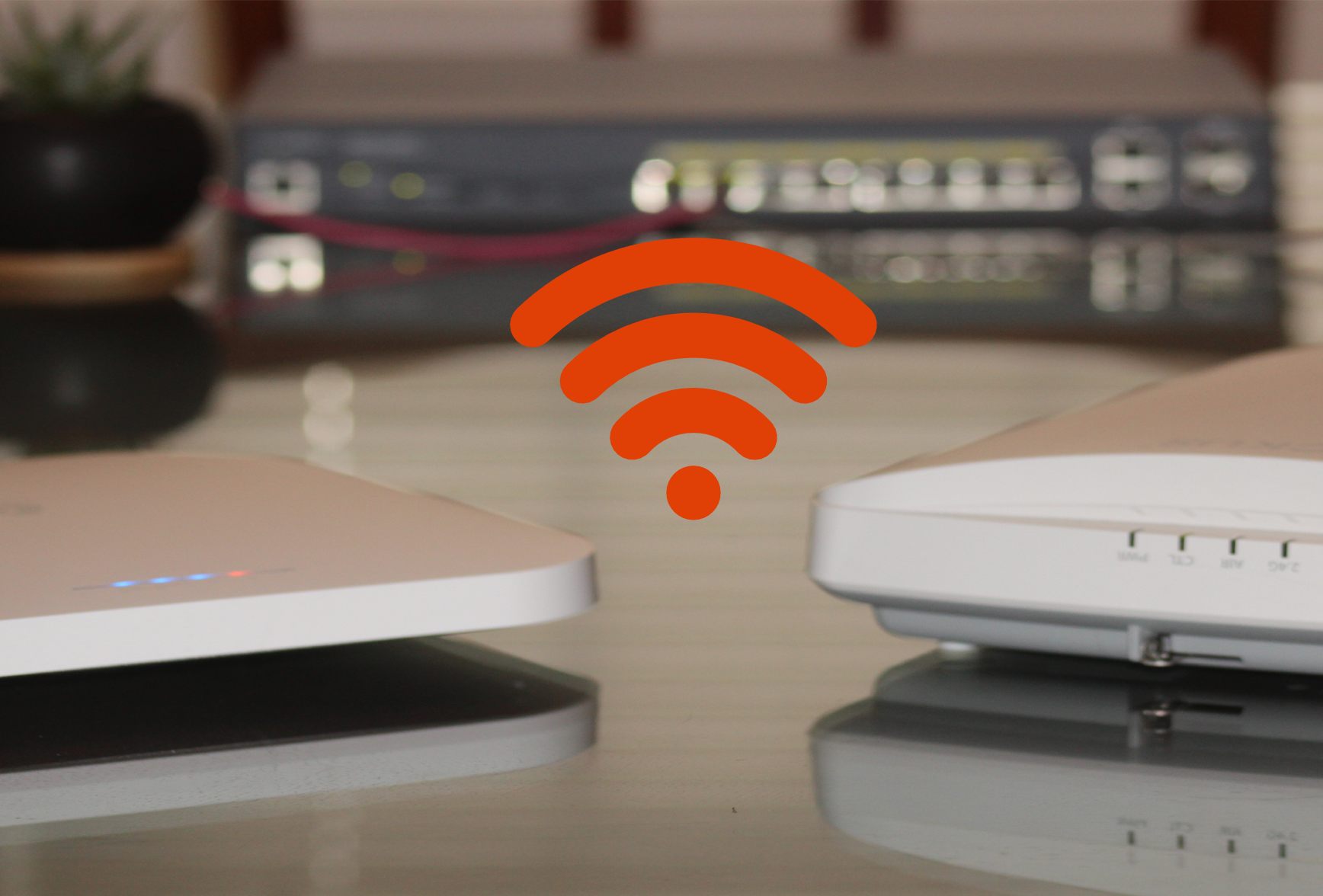
We are also breaking down the biggest takeaways from the Broadband Communities Summit that just wrapped up in Houston and what those industry trends mean for enterprise deployments—specifically for the high-throughput Wi-Fi 7 gear like the EnGenius and Ruckus access points we test here. Then, we are putting our hardware to the test with a live speed test (because what could go wrong live?).
Finally, we are previewing the big IONNA “Station Hand” event happening tomorrow! We will discuss IONNA’s massive push to build out 24/7 Rechargeries with NACS and CCS bays and how the charging experience compares to plugging in a Model 3 Highland or Rivian on other networks.
Drop your questions in the chat, and we will catch them during the Q&A!
🔗 Gear & Tech Mentioned
- EnGenius Cloud Managed ECW520 Wi-Fi 7 2x2x2 Indoor Tri-Band Access Point
- EnGenius ECP106 Cloud Managed Switchable Smart PDU – 6 Outlet
💬 Connect & Support
- Subscribe to the channel: Jeff Keenan on YouTube
- Shop my tech and EV gear on Amazon: Jeff Keenan’s Amazon Storefront
- Jeff’s Tesla Referral Link: Get rewards when you order a new Tesla using my referral link
- Bryan’s Tesla Referral Link: Get rewards when you order a new Tesla using Bryan’s referral link
📬 Contact Us
- Jeff Keenan (Keenan Systems): keenanj@keenansystems.com | (860) 748-4110
- Bryan Slayman (EnGenius): bryanslayman@engeniustech.com